
Infidelity Counseling and Affair Recovery for Couples and Individuals
Rebuilding Trust Without Losing Yourself
An affair destabilizes more than a relationship. It can shake your confidence in what is true, what can be repaired, and whether you can trust your own judgment.
If you’ve been betrayed, you may be scanning for danger, replaying details, and searching for reassurance that never feels sufficient. If you’ve had the affair, you may be overwhelmed by guilt, desperate to repair the damage, or unsure how to take responsibility without making things worse.
You may both want the marriage to survive—and have no idea how to move forward without repeating the same painful cycle.
Infidelity counseling can help you slow the crisis down, regain stability, and begin making clearer decisions about what comes next.
Why Rebuilding Trust Isn’t the First Step
Many approaches to affair recovery focus immediately on rebuilding trust between partners.
But trust cannot be forced, promised, or produced on demand.
For the betrayed partner, pressure to trust can feel like pressure to override what your own experience is telling you. For the partner who had the affair, constantly trying to prove your trustworthiness can turn accountability into either appeasement or defensiveness.
The relationship can then become organized around the affair: one person monitoring and questioning, the other explaining, apologizing, trying to prove that enough has changed, or endlessly defending. Although understandable, this dynamic can create a hierarchy rather than the conditions required for genuine repair.
Before trust can be rebuilt between you, each of you needs enough self-trust and self-respect to tell the truth, tolerate discomfort, and remain responsible for yourselves.
Have any questions? Reach out to us!

The Affair Matters. And So Does the Relationship Around It.
The person who had the affair is responsible for the decision to cross that line. Examining the marriage does not distribute responsibility for that choice.
But if the goal is meaningful change rather than a temporary return to normal, the work cannot end with the affair itself.
Every relationship develops patterns for managing closeness, conflict, vulnerability, responsibility, and emotional intensity. One partner may pursue while the other withdraws. One may overfunction while the other becomes increasingly passive. Conflict may escalate, disappear underground, or be redirected through work, children, friendships, substances, or another relationship.
Infidelity brings enormous pain, but it can also expose patterns that were previously easier not to see.
My approach to infidelity counseling draws from family systems thinking. Rather than identifying one partner as the permanent problem and the other as the permanent authority, I help each person look honestly at how they function under pressure—without confusing shared examination of the relationship with shared responsibility for the affair.
Learning to Use the Tension
The tension following betrayal is painful, but eliminating it as quickly as possible is not always the path to healing.
Tension can reveal where something important needs to change. The work is to become steady enough to remain present to what it is showing you—without retaliating, collapsing, rushing into forgiveness, or demanding certainty before it exists.
This is a central idea in my book, The Bridge: No tension, no bridge. The tension itself isn’t necessarily the enemy. What matters is how you learn to respond to it.
Over time, each partner can develop a stronger capacity to:
-
Face difficult truths without becoming overwhelmed by them
-
Take responsibility without collapsing into shame
-
Set boundaries without using them to punish or control
-
Stay connected without abandoning themselves
-
Make decisions from clarity rather than panic
-
Build a more equal and honest relationship
Moving Forward After Infidelity
Infidelity therapy doesn’t require you to decide immediately whether to stay together.
It gives you a place to understand what happened, recognize what must change, and determine whether the two of you are willing and able to create something different.
For some couples, that leads to reconciliation and a stronger marriage. For others, it leads to separation with greater clarity and self-respect. Either way, the goal is not simply to get past the affair.
It’s to help you move forward with greater honesty, steadiness, and trust in your ability to meet whatever comes next.
How Can Infidelity Counseling Help?
When you’re trying to make sense of an affair, it can be difficult to know what to do next. You may be asking whether your marriage can survive, whether trust can ever return, or whether you even want to stay together.
You don’t have to have those answers before beginning counseling.
My work is about helping you slow down, understand what’s happening between you, and become clearer about what belongs to each of you.
Together, we’ll explore the patterns that keep you stuck, the ways each of you responds to emotional pressure, and what meaningful change might actually look like.
The goal isn’t simply to return to the marriage you had before the affair.
It’s to help you become more fully yourself—and discover what kind of relationship is possible from there.
Getting Started With Infidelity Counseling
You don’t have to know whether you want to stay married to begin this work.
Whether you’re seeking counseling together or trying to find your own footing after betrayal, we can begin with where you are.
I offer infidelity counseling for individuals and couples who want to approach this difficult experience with greater clarity, honesty, and self-respect.
Ready to talk about what comes next?
Request a consultation, and we’ll explore whether working together is a good fit.

Frequently Asked Questions About Infidelity Counseling
When an affair has turned your life upside down, it’s natural to have questions. Here are a few that frequently come up in my work with individuals and couples.
Can a marriage survive an affair?
Yes. Many marriages survive infidelity, and some couples eventually develop a relationship that is more honest, connected, and satisfying than the one they had before.
But there’s no guarantee, and I don’t believe that staying married should be the only measure of success.
The more important questions are whether both people are willing to examine themselves honestly, take responsibility for their choices, and make meaningful changes.
You don’t have to know whether your marriage can survive before beginning counseling. Part of our work is helping you discover what’s possible.
My spouse wants to know the details of my affair. Will therapy force me to reveal everything?
No. I don’t believe meaningful disclosure comes from forcing someone to talk.
But I also don’t believe that the person who had the affair gets to decide, unilaterally, what their partner is allowed to know.
After betrayal, the need for information can be profound. The betrayed partner may need truthful answers to understand what happened and make informed decisions about their future.
At the same time, not every detail is equally useful. Some information helps establish reality and restore a sense of agency. Other details may create painful images without adding meaningful understanding.
In counseling, we can explore these questions thoughtfully: What needs to be disclosed? Why does the information matter? How can both partners approach these conversations with honesty, responsibility, and care?
The goal isn’t forced confession or endless interrogation. It’s developing the capacity to tell and hear difficult truths.
I’m furious with my partner. Will counseling help them understand how badly they’ve hurt me?
Your anger makes complete sense.
When someone you love betrays you, you may desperately want them to understand the depth of your pain. You may want an apology that finally feels adequate. You may even want them to experience some of what you’ve experienced.
Those feelings deserve attention, not judgment.
But there’s an important difference between wanting accountability and trying to make someone feel what you feel.
We can work on helping you express your pain clearly, understand what your anger is telling you, and decide what you need moving forward.
And if you’re the partner who had the affair, we can work on your ability to listen, acknowledge the harm you’ve caused, and take responsibility without collapsing into shame or becoming defensive.
An apology can matter enormously. But genuine accountability is something a person chooses to practice, not something another person can force.
Can I come to infidelity counseling without my partner?
Absolutely.
You may be trying to decide whether to stay in your marriage. Your partner may be unwilling to attend counseling. Or perhaps you simply need space to sort through your own thoughts and feelings before deciding what to do together.
Individual counseling can help you regain your footing, understand your reactions, clarify your values, and make decisions from a steadier place.
This is true whether you were betrayed or were the person who had the affair.
You don’t need your partner’s participation to begin working on yourself.
Are there other resources for recovering from infidelity?
Yes. Counseling isn’t the only source of support, and you don’t have to navigate this experience alone.
Beyond Affairs Network (B.A.N.) is a volunteer organization offering peer support for people who have been betrayed. You can visit their website to learn about available groups and current meeting information.
I’ve also written The Bridge: Discover the Surprising Power of Tension in Healing After Infidelity, which explores how individuals and couples can use the tension following betrayal to develop greater clarity, personal responsibility, and emotional maturity.
Ready to Begin Infidelity Counseling?
You don’t need to have all the answers. You don’t even need to know whether you want to stay together.
We can begin with where you are.
Related Posts
Your Feelings Aren’t the Problem
We've Been Taught to Mistrust Feelings One of the biggest mistakes we make after infidelity is assuming that our emotions are getting in the way of healing. We want the fear to settle down. We want the anger to stop. We want the sadness to loosen its grip so that we...

Healing After Infidelity
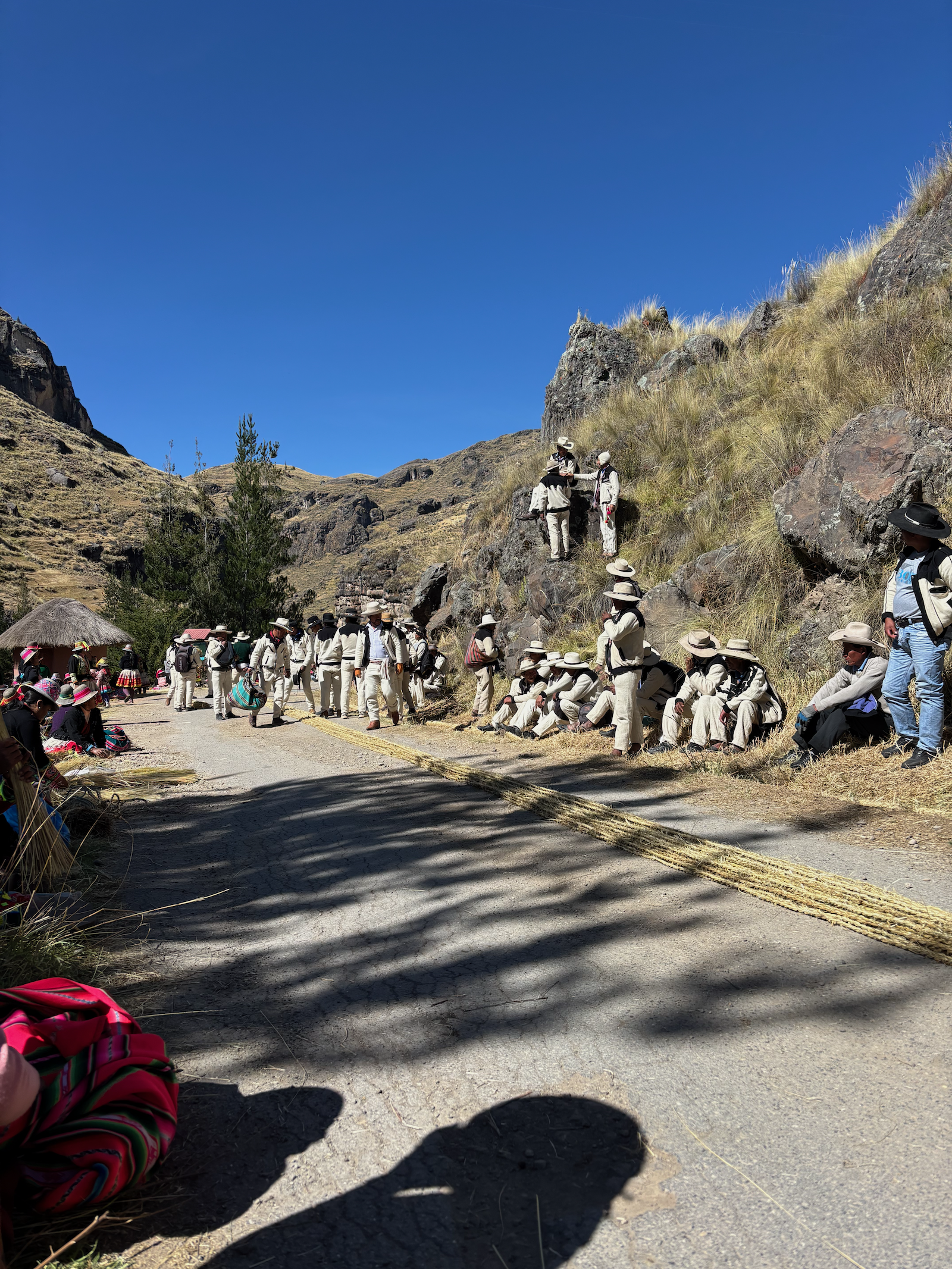
What a Handwoven Tension Bridge in Peru Taught Me About Healing After Infidelity I recently returned from Peru, where I witnessed, for the second time, the rebuilding of the Q'eswachaka Bridge, the last remaining handwoven Incan rope bridge still reconstructed each...

Bridgecraft Episode 1: A Different Path Through Infidelity Therapy and Rebuilding Trust
Bridgecraft: The Art of Human Connection is a podcast about what it truly takes to rebuild trust after it has been broken. https://www.buzzsprout.com/2603001/episodes/18843755If you are here, chances are something in your relationship has ruptured—through infidelity,...
Infidelity Therapy in Marietta, GA
3855 Shallowford Rd Suite 420,
Marietta, GA 30062
Infidelity Therapy in Golden, CO
410 9th Street,
Golden, CO 80401
Infidelity Therapy in Thornton, CO
13660 Leyden Ct,
Thornton, CO 80602
Order Your Copy of The Bridge
The Bridge: Discover the Surprising Power of Tension in Healing After Infidelity is available now on Amazon and Barnes & Noble.